when the workaround becomes the workflow, it needs fixing.
We build the missing connections and functionality when standard tools no longer fit the job.
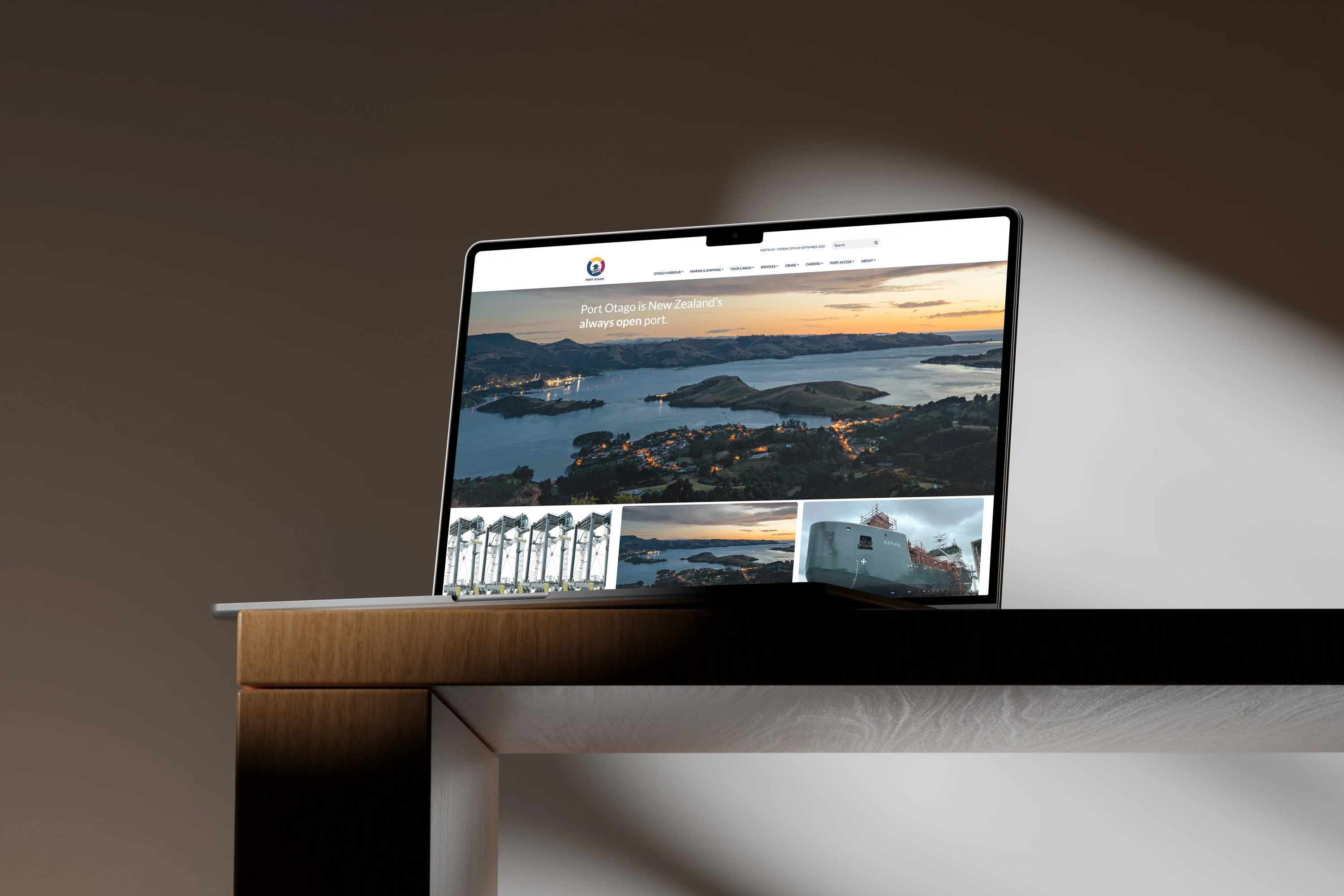
Case Studies
When the standard setup stops short
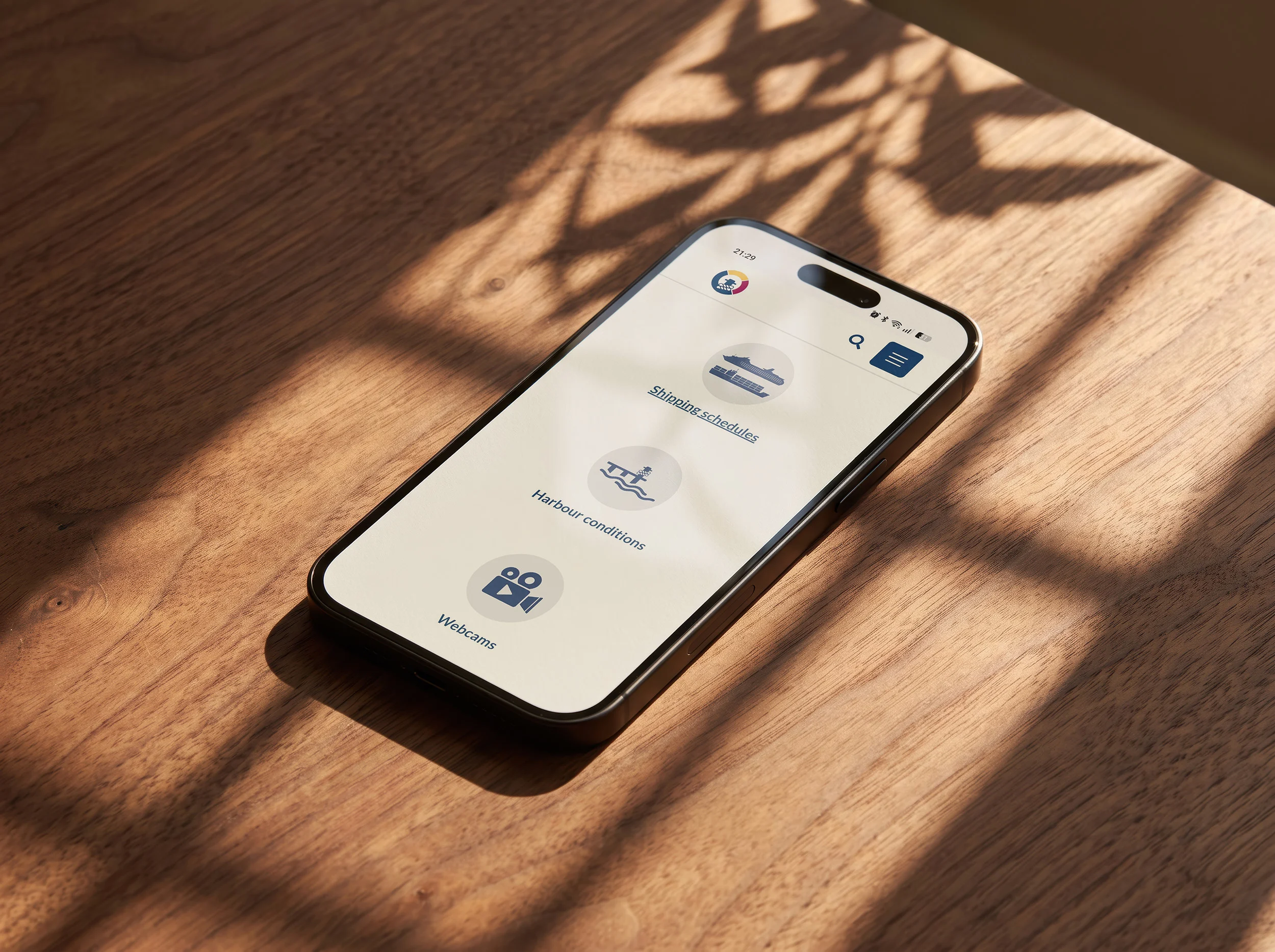
A look at the problems that needed more than another setting or plugin and the custom development built to close the gap.
Explore all our projects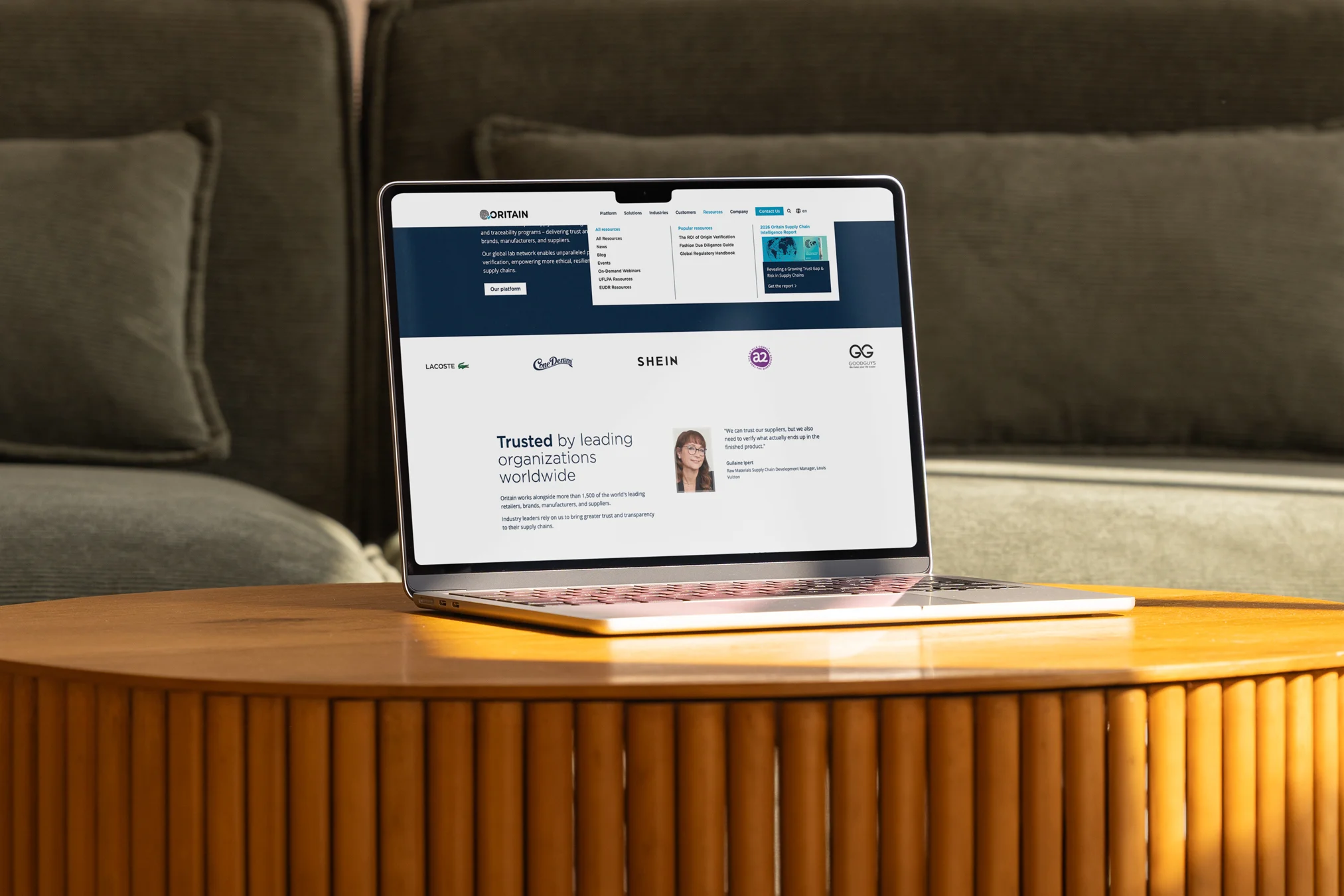
When the standard setup stops short
Custom development should remove a real constraint, simplify the work and leave your team with fewer problems to manage.
- Start with the workflow rather than the preferred technology
- Separate a genuine gap from a feature nobody has understood yet
- Choose the smallest solution that solves the real problem
- Make ownership, testing and support clear before launch
services / website development
When custom development is not the whole answer
Explore the other ways Firebrand can help with your website, technology or digital product.
- Website design & developmentWhen the wider website experience needs to work harder.Explore website design & development
- E-commerceWhen selling online is central to the job.Explore E-commerce
- Application design & developmentWhen the job needs a portal, dashboard or purpose-built tool.Explore application design & development
- Website supportWhen the site needs dependable ownership after launch.Explore website support

Working with organisations ready for what’s next.




Understand the system before adding another one
We map the work first, then choose the simplest way to remove the friction.
Map the workflow
We follow the information and hand-offs through the current process so the real problem is visible.
Define the gap
We identify what the existing tools cannot do and what a useful result needs to look like.
Choose the simplest route
We use the least complicated solution that genuinely solves the problem.
Build, test & support
We develop against real scenarios, test the failure cases and make ownership clear before launch.
Something needs to work better?
When the standard setup stops short, we can help find a better way forward.
FAQs
Questions worth asking before you start

What counts as custom development?
Custom development is useful when a standard platform feature or supported integration cannot solve the problem cleanly. We confirm that gap before writing custom code.
Can you connect our existing systems?
Often, if the systems provide a workable way to exchange information. We check access and ownership before promising the connection.
How do you scope an integration?
We map the workflow first, then define the data exchange and failure handling around it.
Who owns the code?
Ownership and licence terms should be agreed before development begins. The answer may differ between purpose-built code and third-party components.
How is custom development supported?
Support needs named ownership after launch. We agree documentation, monitoring and future maintenance as part of the scope where they are required.